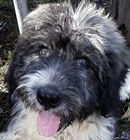
Rex

Urmărirea și prezentarea evoluției și a performanțelor fiecărui exemplar
cezar osiceanu
Posts: 775
Joined: Mon Oct 08, 2012 6:55 pm

interesanta idee asta cu dieta la displazia de sold!!! :shock: :lol:
ceea ce scrie mai sus distinsul autor Raul este din ciclul acela " niste cercetatori au stabilit ca zebra are dungile negre pe fond alb si nu dungile albe pe fond negru!!"
m-am saturat si eu si majoritatea cititorilor de astfel de povesti care niciodata nu indica exact sursa cu link-ul afferent pentru a ne putea lamuri noi insine despre acele studii pomenite!!
se trezeste cate unulpe aici care impleteste franturi din diverse surse, majoritatea la mana n cand n tinde la infinit si le scrie semidoct ca sa para reale si veridice!
adevarul este ca:
- majoritatea raselor de caini sunt rase inchise dpdv al numarului de combinatii genetice valabile. de aceea se cauta acum realizarea unei diversitati genetice cat mai mari care sa asigure supravietuirea lor, chestie facuta prin infuzii cu alte rase - chestie recunoscuta public de dra Petru Munteanu care chiar incuraja intr-una din ineptiile ei publice, pe crescatorii de mioritic sa o practice! stia el ceva apropos de hiperconsangvinizarile aiuristic facute de asazisii crescatori din ACHR! ca o paranteza crescatorii de ciobanesc german din Germania recunosteau ca exista doar vreo NOUA tipuri genetice la aceasta rasa care este cea mai populara rasa din lume - afirmatie preluata dintr-un articol publicat in revista de trista amintire "Cainele meu" decedata cu success din cauza prostiei si incompetentei redactorului ei sef!
- NU exista nici macar un system de referinta per rasa cu privire la diversele probleme medicale ale ei. Ma umfla rasul cand aud cate un medic veterinar care isi ia o morga serioasa si decreteaza ritos ca analizele de sange ale unui caine sunt rele, ca are mare colesterolul,etc. Cand il intrebi insa cu ce anume compara el acele date rezultate din analizele respective, ce system de referinta foloseste ptr comparatia lor, cum a fost construit modelul mathematic al sistemului de referinta, pe cate exemplare s-a facut studiul ce sta la baza acceptarii sau impunerii acelui sistem de referinta,etc adica chestiuni de bun simt si obligatorii in medicina umana, respectivul da din umeri si o sterge englezeste!!
cand am pregatit de lansare studiul raselor de caini ciobanesti romanesti am fost intai sa vad cum se fac aceste studii in clinicile umane, am stat de vorba cu prieteni de familie somitati in domeniile lor medicale, cu oameni angajati in procesul de omologare a medicamentelor din import,etc si apoi m-am dus la Facultatea de Medicina Veterinara unde am beneficiat de consilierea celor mai buni din cei mai buni, multi dintre ei avand studii si calificari medicale atat veterinare cat si umane - cine are curiozitatea sa citeasca CV-urile autorilor acelor studii pe care le-am depus si la FCI ca sa nu elimine rasele de ciob romanesti din lista raselor in curs de aprobare ca urmare a celor PATRU COLI FORMAT A4 CE REPREZENTAU "DOSARUL DE OMOLOGARE" INTOCMIT DE CATRE ACHR, vede acolo ca regretatul prof dr Ioan Miclaus era si membru al Academiei Oamenilor de Stiinta, etc.
https://clubulnationaldecainiciobanestir ... _Bucuresti
Studiile s-au facut pe un numar imens de mare de caini ciob rom mioritici si carpatini, pe parcursul mai multor ani astfel incat sa acoperim strict acele directii solicitate de catre FCI - displazie, heterocromie, reproductie, etc
https://clubulnationaldecainiciobanestir ... _Bucuresti
Scrie distinsul domn ca "Procentajul de transimitere al displaziei este de 0,24% pana la 0,48% din cauza genelor mostenite, deci daca ambii parinti au problema, sunt 75% sanse ca puii sa aiba, pe cand daca ambii parinti sunt testati si cu un scor pozitiv tot exista sanse de 25% sa aiba displazie.
Institutul Baker din SUA a facut un test pe o durata de 14 ani pe un grup de pui din parinti posibili sa transmita HD si a descoperit ca puii care au fost crescuti cu mancare echilibrata si in cantitate spre limita inferioara au avut cu 25% mai putine cazuri de afectiuni sau chiar deloc, deci este foarte important si cum e crescut cainele in primele 10 luni de viata." adica incearca sa ne exlpice fara sa precizeze insa care este rolul pedigreeului pe trei generatii! Ocolind ca la Ploiesti uita sa spuna cat este gradul de risc precizand doar la parinti acest grad si acela dupa mine mult redus fata de realitate mai ales daca ambii parinti au asa ceva!
Institutul Ma Barker poate a scris ceea ce ati scris dvstra dle Raul pentru ca este evident o abureala ceea ce sustineti dvstra adica ca:" Institutul Baker din SUA a facut un test pe o durata de 14 ani pe un grup de pui din parinti posibili sa transmita HD si a descoperit ca puii care au fost crescuti cu mancare echilibrata si in cantitate spre limita inferioara au avut cu 25% mai putine cazuri de afectiuni sau chiar deloc, deci este foarte important si cum e crescut cainele in primele 10 luni de viata." acolo in USA totul este mai mare si mai mult ca in restul lumii si de aceea obezitatea ca raspuns la alimentati nesanatoasa, multa si avand la baza tot felul de hormone de crestere, aditivi,etc face ca sa apara astfel de indicatii cu privire la cantitate spre limita inferioara!! cat despre idiotenia cu mancare echilibrata asta este luata de la sloganurile agentiilor de vanzare de industrial dog food! eu ca unul care a produs semiindustrial mancare de caini si am studiat aceasta problema direct timp de cam 15 ani cel putin stiu ca noi oamenii am incercat sa transformam cainii din carnasiere ce sunt ei de la mama natura in ceva nu stiu prea multi nici ei ce!!!
( Ma Barker este numele mamei unor gangster americani ucisa impreuna cu copii ei intr-un asalt al politiei americane si este si titlul unui cantec de success al trupei Boney M)


cezar osiceanu
Posts: 775
Joined: Mon Oct 08, 2012 6:55 pm

Scrie distinsul domn Raul ca "Procentajul de transimitere al displaziei este de 0,24% pana la 0,48% din cauza genelor mostenite, deci daca ambii parinti au problema, sunt 75% sanse ca puii sa aiba, pe cand daca ambii parinti sunt testati si cu un scor pozitiv tot exista sanse de 25% sa aiba displazie."
este evident o greseala de tipar ca si la spanacul analizat si caruia I s-a pus gresit virgula la concentratia de fier.
correct ar fi cam asa :
Scrie distinsul domn ca "Procentajul de transimitere al displaziei este de 24% pana la 48% din cauza genelor mostenite, deci daca ambii parinti au problema, sunt 75% sanse ca puii sa aiba, pe cand daca ambii parinti sunt testati si cu un scor pozitiv tot exista sanse de 25% sa aiba displazie."


User avatar
Raul Petruț
Posts: 362
Joined: Mon Sep 10, 2012 4:53 pm
Location: Fildu de Jos
Contact:

Da, Daniel, exact ce ziceam....ignora lumea care tot la a doua propozitie ne subliniaza cat de multe au facut, cat de lung este CV-ul, realizatile...etc:). (Acuma urmeaza sa imi cereti si mie CV-ul cum ati facut cu D-nul Albiter :P))Daca era un caine din CNCCR nu era mai nimik, si sigur era de vina ceva parinte inregistrat la ACHR. Stimate domn, era o ironie doar si ar trebui tratata ca atare - totusi este aplaudabil efortul depus sa scrieti atatea randuri si interesul dat acestui subiect, desi nu poate fi ignorata subiectivitatea cu care vorbiti despre o canisa anume, defapt de cateva daca ma uit bine pe forum. Daca ati mai obiectiv si la subiect nu ati avea atatea contre si lumea ar incepe sa uite ce se zice/stie despre influentele negative ale Dvs asupra ciobanestilor Romanesti si ar citi cu mai multa atentie putinele lucruri de mare interes pe care le tot precizati.

BTW - Nu era mai usor sa cereti linkul frumos si pedant decat sa va tot bateti cu caramida in piept si sa aruncati noroi in stanga si dreapta...... Mie unul asa mi se parea mai firesc, dar mna, fiecare cere cum stie...

@Daniel
https://bakerinstitute.vet.cornell.edu/a ... hp?id=1104 Aici este linkul de la Baker institute de unde am preluat informatia, daca vrei sa citesti mai multe.

Daca vrei sa il duci pe Rex in Londra ar fi bine sa iti faci si o asigurare medicala caci o sa fie cam piperate facturile.


Nu mai sunt nici Cânii bătrâni
Iar poienile-s pline spini
Nu mai e nici Florica
Mândră mai purta clopoțica
Multe trec, multe vin...
Numai amintiri rămân..
User avatar
Raul Petruț
Posts: 362
Joined: Mon Sep 10, 2012 4:53 pm
Location: Fildu de Jos
Contact:

Am mai gasit un studiu foarte bine structurat si exemplificat:

Theories of Pathogenesis

Canine hip dysplasia is a complex disease. It is a concentration of factors from a pool of genetic weaknesses and environmental stresses that fall into a programmed pattern of progressive remodeling and degenerative joint disease. The degree of involvement varies from minute changes in bone structure to total destruction of the hip joint. Investigators have searched intensively for genetic, chemical, and metabolic defects, but the cause has remained obscure.

Hip dysplasia affects humans and all other domestic mammals. In humans, 1.3 children in 1000 are affected. In dogs the prevalence may run over 50% in large dogs if control measures have not been practiced. Few data are available on the prevalence of hip dysplasia in other mammals, but it is thought to be low. The disease is undoubtedly rare in undomesticated animals.

No specific genetic pattern of inheritance has been demonstrated in this variable disease. It has been demonstrated that both genetic and environmental influences contribute to development, regardless of the species affected.(15,31, 32,40,74,76) Consequently, the disease has been designated as polygenic or multigenic.(28) As in most polygenic diseases, there are both major and minor causative factors. There is no evidence that a primary defect of bone exists but rather the disease is a failure of the muscles and other soft tissues to hold the hip joint in full congruity.(31,32) This is further supported by the fact that bony dysplasia can be increased, decreased, or prevented by controlling the degree of joint instability and incongruity.(53) No other malformations are associated with the disease.(79) A causal relationship between muscles and soft tissue defects or pathologic changes other than lack of muscle mass or strength has not been established.(40,41)

Experimentally, hip dysplasia may be produced in many ways.(43,56,74,76,87,88) These include any circumstances that contribute to an unstable hip joint, namely, adductor forces, lack of muscle strength, chemical relaxation of the pelvic soft tissues, traumatic injury to the hip joint, and overloading of the joint by weight. Hip dysplasia is a concentration of factors from a pool of genetic weaknesses and environmental stresses that fall into a programmed pattern of progressive remodeling and degenerative joint disease.

The general cause of hip dysplasia, when defined, must be broad enough to explain its development, not only in dogs, but also in all other affected animals. Many genetic and environmental factors can trigger events that bring about the condition secondarily.(74,77,79,88) Hip dysplasia, therefore, is not one disease but many diseases that result in common degenerative lesions of the hip joints.(77)

Hip dysplasia has been observed in cats (27,35) and in most breeds of dogs; however, it is a greater problem in some breeds(65) than in others. The true prevalence of hip dysplasia among breeds of purebred dogs is not known, but data from the Orthopedic Foundation for Animals (OFA) on the first 36,000 pelvic radiographs evaluated has given insight into answering this question (Table 83-1).

The percentage of dogs of various breeds affected by hip dysplasia is not a true representation of the prevalence of the disease in these breeds because radiographs depicting obvious dysplasia were screened by referring veterinarians and not submitted. Therefore, the overall prevalence of hip dysplasia is higher than that represented in the analysis (Table 83-1). The rankings of the breeds are consistent with those obtained previously from smaller populations.(36) All breeds were screened in a similar manner.

Table 83-1 Pelvic Radiographic Diagnosis
Body Size

The breeds with the lowest prevalence of hip dysplasia are near the size of the ancestral dog. The bones are small in diameter and smooth, the feet are small and well arched, and the shape of the head is long and narrow.

The giant breeds with the highest prevalence of hip dysplasia are two to three times larger than the ancestral dog. Their bones are coarse and large in diameter, with prominent protrusions and depressions. The feet are large and splayed, and the head is wide and oversized.

Body Type

In general, the body conformation of the breeds with the lowest prevalence of hip dysplasia is slender and trim. The skin is thin, smooth, and stretched tightly over the underlying tissues. The muscles are prominent, hard, and full-bellied. At dissection in these breeds, the skin and subcutaneous tissues and fascia rarely contain over 1% to 2% fat by weight. The joint ligaments are well developed; the fibers are coarse, closely packed, and relatively free of fat. The well-formed pelvic and thigh muscles are attached to broad, coarse tendons that are attached securely to the bones. These dogs are fleet-footed and well-coordinated in their movements.

Of the high-risk group, the four breeds of the giant type are not only two to three times the size of the ancestral dog, but their body conformation is heavy, round, and stocky. Acromegalic characteristics are present to some extent in all four breeds. Fat is abundant in the subcutaneous and fascial spaces and commonly accounts for 5% to 10% of the weight of the soft tissues of the hindquarters. In comparison with the low-dysplasia group, the muscles are less prominent and less developed. Fat is infiltrated into the tendons and ligaments. The fibers of these two structures are smaller in diameter than those of the low-risk group. The gait of the giant breeds is less graceful and slower than that of the smaller breeds.

Growth Pattern

Breeds with the highest prevalence of hip dysplasia grow and mature more rapidly than those in the low-risk group. Starting at birth, this group gains rapidly. The pups of these breeds are aggressive eaters, both as they nurse and as they take supplemental food. In a study involving 222 German shepherds, 63% of the dogs that weighed more than the mean of this group at 60 days of age were dysplastic at 1 year of age, whereas only 37% of those less than the mean became dysplastic. The same rapid rise in weight in other breeds of the group at high-risk for dysplasia has been observed.(63)

Hip dysplasia has not been reported in the wild undomesticated carnivorous animals, such as wolves and foxes. A study of their pattern of growth found that the pups were slow-growing and late maturing. The young pups were whelped in dens. As newborns, they received their nourishment by nursing during the first few weeks. When more food was required, the mother killed rodents and either brought them to the den or ate the animal where it was killed and then returned to the den where the ingested rodents were regurgitated for the young to eat.(61) Young carnivores were quite mature and 6 to 10 months old before they began to hunt. The amount of food available for the growing members of a litter was limited. This caused the young to mature slowly and remain thin and light for their body size. Such an environment favored the completion of ossification and developmental maturity of the joint before the hips could be subjected to possible injury, incongruity, or subluxation from excessive extrinsic forces (e.g., excessive body weight) (65,69)

Genetic Influences and Heritability

Few genes analyzed thus far directly affect osseous structures.(17) The shape of bones reflects changes by biomechanical stresses.(15)

In the dog no clear-cut pattern of inheritance has been recognized.(23,28,30) This means that many genes are affected, and polygenic traits are subject to environmental modifications. New data have substantiated these findings.(29)

The spread of hip dysplasia centers around the genetic transmission and heritability of a particular body size, type, conformation, movement, growth pattern, and temperament. This conclusion is based on the facts that the prevalence of hip dysplasia is approximately the same in a number of breeds with similar body characteristics and there is no gene flow between these purebred breeds. Since these facts must be respected, biomechanical and environmental factors associated with certain body conformation and size must be considered as causes.(69)

Critical evaluation of the heritability of hip dysplasia has been made in the German shepherd in 244 offspring from 54 full subfamilies. In one report, "heritability was defined as a property not only of the character (trait) but also the population and the environmental circumstances to which individuals are subjected. Heritability, because it represents the proportion of the total phenotypical variance, receives the attributes of a positive number which may range from 0 to 1.0 in magnitude".(29) On this scale and based on evaluations of radiographs from 2 year-old dogs, the heritability was given an average estimate of 0.25. The conclusions were that canine hip dysplasia be termed a moderately heritable diseased.(30)

In a study involving 236 German shepherds, it was demonstrated that the most reliable way to eliminate canine hip dysplasia was through the establishment of "pedigree depth," that is, by the use of ancestral lines of dogs radiographically free of hip dysplasia.(33)

Results of controlled breeding programs in Sweden further indicated that the prevalence of hip dysplasia in the German shepherd was substantially reduced by mating only dogs with radiographically normal hips.(7,50) Similar decreases in prevalence have occurred in another controlled breeding program in a colony of guide dogs (Seeing Eye, Inc. Morristown, NJ).

In another account, with 584 progeny in a closed colony of German shepherds, it was shown that the prevalence of hip dysplasia was noticeably reduced by selectively breeding dogs proved radiographically to have normal hips at 1 year of age or older. In 3-1/2 years the incidence of hip dysplasia was lowered from 39% to less than 17%.(64) The male dogs in this colony had a wide variation in their ability to transmit normal hips to their progeny. For example, only 8.7% of the progeny of one dog with radiographically normal hips at 2 years of age developed hip dysplasia, whereas 37.8% of the pups of another dog with similar radiologic evaluation mated to the same bitches developed hip dysplasia.(20)

Environmental and Man-Made Influences

Embryologically, articular joints are differentiated as units in situ from a mass of skeletal mesenchyme.(90) Development progresses normally in each joint as long as there is full congruity between the parts. The congruity remains as long as the supporting tissues are strong enough to withstand the mechanical or physiological factors that tend to pull them apart.(77)

In humans, intrauterine stress has been cited as contributing to hip dysplasia, particularly if the fetus is positioned with the legs in adduction and extension.

Hip dysplasia in humans is rarely associated with teratology abnormalities. Other hip abnormalities distinctive from dysplasia, however, are frequently associated with such deformities as clubfoot, hyperextension of the knees, spinal deformities, arthrogryposis multiplex, and chondro-osteodystrophy.(22)

In the young child, the position of the legs during infant care is found to be very important to normal hip development.(71,73,75) Abduction and flexion of the legs has a stabilizing effect on the hip joints. The square diaper favors greater abduction of the legs than does the three cornered diaper. The Bantu baby, who is carried with its front side bound to the mother's back with its legs in acute abduction and flexion, seldom has abnormal hip joints.(71,75) In contrast, the Navajo Indian baby, who spends its first years of life strapped to a cradleboard with the legs in abduction and extension, has a high rate of hip joint instability.(70)

Other factors such as femoral anteversion and spastic shortening of the psoas muscle have been shown to favor acetabular dislocation when the leg was extended.(44) These observations indicate that both environmental and hereditary influences are important.(28,42)

In the dog, the hip joints are normal at birth.(43,68) The long bones of the pup are short during prenatal life, and mechanical stresses that bring about dislocation of the femoral heads are minimal. Teratologic abnormalities of the joints are rare in the dog, except for congenitally dislocated elbows and an occasional clubfoot deformity. Congenital malformation of the hips is also rare.

Extrauterine Influences

EARLY WEIGHT GAIN

In 222 German shepherds born consecutively, 100 were dysplastic, and the prevalence of hip dysplasia at 1 year had a direct correlation with their weight at 60 days of age. The heavier dogs, that is, the heaviest males and heaviest females at 60 days of age, had the highest incidence of hip dysplasia at maturity.(63) (See Fig. 83-2.)

These data suggested a number of indirect genetic factors influencing the rate of hip dysplasia. The aggressiveness in nursing may be inherited, as may be the quality and quantity of the supporting tissues around the hip joint. It was concluded that when growth, gain in weight, and nursing aggressiveness exceeded the strength of the supporting tissues, subluxation and hip dysplasia occurred.(63)

The first subluxating stress on the hips occurs when the pup supports itself while nursing, and the hindlegs are in forceful adduction and extension. The heaviest pups were the more aggressive, worked the hardest while nursing, and spent the most time feeding.(63)

PELVIC MUSCLE MASS

Data indicate that here is a positive correlation between the amount of pelvic muscle mass and the prevalence of hip dysplasia. Of three large breeds of dogs, the greyhound is relatively free of hip dysplasia; over half of the German shepherds are affected with hip dysplasia, and nearly all the July foxhounds are dysplastic.(69)

These data further emphasize that hip dysplasia encompasses biologic height, weight, and muscle bracing. The builder, before architecture was a science, learned that when the height of a structure was doubled, the bracing had to be tripled or the structure would fall of its own weight.(82) This basic rule, learned many years ago, illustrates clearly why a low foot stool fits solidly on the floor and the tall stool of the same area wobbles when supporting weight.(82) Similarly, it has been found that dogs less than 30.5 cm in height and less than 11.3 kg in weight (dachshund) are relatively free of hip dysplasia. On the other hand, at least half the large dogs, those 34 kg or more in weight and more than 50.8 cm in height, are affected with dysplasia.(66)

MUSCLE MYOPATHIES

All newborn mammals, including human infants, undergo many metabolic changes during their transition from intrauterine to extrauterine life. The muscle tissues are relatively immature both anatomically and biochemically at birth. Lack of muscular maturation in the newborn influences the manner in which the newborn responds to function. This immaturity accounts for the failure of many mammals, including the human, dog, and cat, to walk at birth.(88)

There is evidence that the wide range of acetabular and femoral changes occurring in hip dysplasia is the consequence of joint laxity. The possibility that this may be associated with or influenced by the rate of muscle maturation has not been explored. The rate of muscle maturation may be an inherited factor.(12,43) Consequently, the degree of subluxation in the young may be influenced by subnormal muscular function. In humans, the possibility of iliopsoas muscle spasm in the infant has been explored. (41,44)

In the adult dog, the light microscope was used to examine histologically the individual pelvic muscles associated with hip joint motion. Evidence of muscle disease was not recognized. In dogs with advanced hip dysplasia and associated osteoarthritis, atrophy of the pelvic muscles was present but changes such as muscular necrosis, inflammation, and extensive fibrosis were not found.(66,69)

One observer suggested that in young dogs with developing dysplasia, the pectineus muscles were in spasm and contained a degenerative lesion.(4) The pectineus muscle (an adductor), when in spasm, was thought to favor forcing the femoral heads out of the acetabula. This observer further suggested that if the pectineus were cut in the dog at an early age, the occurrence of hip dysplasia would be drastically lowered.(4)

A causal relationship between the pectineus muscles and hip dysplasia was not established in an experiment using the pelvic muscles from Labrador retrievers, German shepherds, Alaskan malamutes, and beagles.(40) Pectineus muscles in these dogs with both normal and dysplastic hips were examined and compared. The relationship between pectineus muscle abnormality and hip dysplasia remains undefined. The pectineus muscles from some young pups showed both hypotrophic and hypertrophic changes. It was suggested that the alterations seen in the pectineus muscles of dysplastic dogs probably represented secondary manifestations associated with a disease of developing hip joints (hip dysplasia).(4,12) The available evidence does not support the concept that abnormal pectineus muscle behavior is a cause of hip dysplasia. (39)

Developmental myopathy with type II fiber hypotrophy has been described in the pectineus muscles of very young dysplastic German Shepherds These investigators failed to establish a relationship between this muscle change, joint laxity, and dysplasia but have suggested the possibility of such a relationship. In their experiments using an enzyme stain, the small fibers stained as type I (white) and the large fibers as type II (dark). They considered the differentiation between small and large fibers in young dogs to be a myopathy. No myopathies were present in either the normal or dysplastic adult dogs in their study.(12) This change in the young dog resembles muscle fiber hypotrophy, which follows the cutting of the nerve to a muscle. These hypotrophied muscles become functional again and the fibers become normal in size when the nerve unites and use is restored.(34) Atrophied muscle due to a severed nerve and immature muscle are similar in appearance. (34)

Metabolic Influences

SEX

In humans, the female is affected with hip dysplasia four to eight times more often than the male.(22) In the dog an equal number of females and males are affected. The reasons for this difference have not been explained. Of 100 dysplastic German shepherds at the Armens Hund Skula (Sweden), 49 were males and 51 were females.(63)

CHEMICAL AND HORMONAL INFLUENCES

Pelvic tissue relaxation is a well-known physiological phenomenon that occurs during the terminal phase of pregnancy in mammals. This reaction has been associated with the female hormone, estrogen. Experimentally, this reaction has been studied by injecting ovarian extracts into dogs to produce pelvic tissue relaxation resembling that seen at the termination of pregnancy. The specific polypeptide hormone that is commonly used is called relaxin. Male and spayed and virgin females when "primed" with estrogen before relaxin was administered responded sufficiently to relax pelvic tissues around the hip joints.(43,55)

The urine of newborns was examined to see if there was a correlation between high estrogen levels and the unstable hip. From the first tests, it appeared that such a correlation existed, but the use of more refined tests failed to verify these findings. (1,3,81) The conclusion is that hormonal influence is not associated with the development of congenital hip dysplasia in humans or animals.(1,3,71,81)

In the dog it has been possible to increase the incidence of hip dysplasia by giving relaxin to newborn pups and to produce hip dysplasia in the greyhound. (18,43,51,55) "It does not prove, however, that estrogens have anything to do with etiology and pathogenesis of spontaneously occurring hip dysplasia."(19) There is no evidence that estrogen levels within the biologic range have a relationship to the incidence of hip dysplasia in dogs.(19,52,55,81)

Defective protein biosynthesis of collagen was suggested as a cause for increasing articular cartilage degradation in osteoarthritic joints. Soluble collagen was reported to be found in the acetabular cartilage of dysplastic dogs, while predominantly insoluble collagen was present in dogs with normal hip joints. It was not possible to relate these changes to hip dysplasia or to osteoarthritis.(39,40)

Inborn metabolic errors of chemical or hormonal origin have not been found in human or canine hip dysplasia.(39,40,52,87)

DIET

A variety of nutritional and mineral supplements have been used in attempts to alter or prevent the course of hip dysplasia in the dog. Diet has not affected the occurrence or course of the disease other than the mechanical effect of increased or decreased weight upon the hip joint.(66)

Prevention

In the child the development of hip dysplasia can be stopped and the condition can be reversed to a stable normal hip if it is discovered early before remodeling has begun. The key to treatment is the restoration of full congruity between the femoral head and acetabulum by placing the legs in an abductor-flexed position.(76,88)

In the young dog genetically conditioned to develop hip dysplasia, confinement to a small cage (1 m3) where the dog spends most of his time sitting on his haunches (abductor-flexed position) will prevent the development of hip dysplasia.(66,68) Surgical improvement of joint congruity can also be very beneficial.

Linkul catre documentul intreg https://cal.vet.upenn.edu/projects/saort ... 83mast.htm


Nu mai sunt nici Cânii bătrâni
Iar poienile-s pline spini
Nu mai e nici Florica
Mândră mai purta clopoțica
Multe trec, multe vin...
Numai amintiri rămân..
cezar osiceanu
Posts: 775
Joined: Mon Oct 08, 2012 6:55 pm

raul wrote:Da, Daniel, exact ce ziceam....ignora lumea care tot la a doua propozitie ne subliniaza cat de multe au facut, cat de lung este CV-ul, realizatile...etc:). (Acuma urmeaza sa imi cereti si mie CV-ul cum ati facut cu D-nul Albiter :P))Daca era un caine din CNCCR nu era mai nimik, si sigur era de vina ceva parinte inregistrat la ACHR. Stimate domn, era o ironie doar si ar trebui tratata ca atare - totusi este aplaudabil efortul depus sa scrieti atatea randuri si interesul dat acestui subiect, desi nu poate fi ignorata subiectivitatea cu care vorbiti despre o canisa anume, defapt de cateva daca ma uit bine pe forum. Daca ati mai obiectiv si la subiect nu ati avea atatea contre si lumea ar incepe sa uite ce se zice/stie despre influentele negative ale Dvs asupra ciobanestilor Romanesti si ar citi cu mai multa atentie putinele lucruri de mare interes pe care le tot precizati.

BTW - Nu era mai usor sa cereti linkul frumos si pedant decat sa va tot bateti cu caramida in piept si sa aruncati noroi in stanga si dreapta...... Mie unul asa mi se parea mai firesc, dar mna, fiecare cere cum stie...

@Daniel
https://bakerinstitute.vet.cornell.edu/a ... hp?id=1104 Aici este linkul de la Baker institute de unde am preluat informatia, daca vrei sa citesti mai multe.

Daca vrei sa il duci pe Rex in Londra ar fi bine sa iti faci si o asigurare medicala caci o sa fie cam piperate facturile.
rade lumea domnule Raul cand citeste asa ceva scris de dvstra! Unde ati vazut dvstra numele canisei mele in postarea pe care o atacati? eu studiul l-am facut pe TOTI cainii avuti la dispozitie indifferent de proprietar, provenienta,etc. Ca a fost fact profesionist perfect si pe un asemenea esantion este o realitate, maio ales ca studiul este unic la noi in tara si la nivel mondial nu stiu sa fie prea multe facute pe un asemenea esantion mare de caini
elucubratiile pe tema unui caine din CNCCR sunt exact ceea ce am spus adica:ELUCUBRATII si atat! daca era sa fi fost din CNCCR pana acum era castrat, parintii erau demult in carantina, parintii erau scosi de la reproductie imediat ce se vedea care era de vina , se facea anuntarea si punerea sub urmarire a tuturor produsilor lor,etc Doar ca de aceea am dirijat si controlat permanent montele pentru a reduce la maxim posibilitatea aparitiei acestei boli.
In 1995 am beneficiat si de consilierea unui medic veterinar belgian, un fost jucator de rugby bun prieten cu unul dintre cei care au facut posibila prima prezentare a unui mioritic la un campionat European, si care m-a ajutat sa introduc in Romania, impreuna cu prof Alin Bartoiu seful catedrei de ginecologie-obstetrica din FMV Bucuresti , inseminarea artificiala la canidae. El mi-a explicat atunci pentru prima oara ce inseamna displazia - la noi nu se auzise de asa ceva, cum a aparut ea si de ce se perpetueaza, ce metode de operatii exista,etc. Atunci a spus un lucru care mai tarziu s-a adeverit exact: plecand de la modificarile aduse de catre om ciobanescului german aceasta displazie va deveni un blestem pentru aceasta rasa! si QED pana la urma!!!
pana la urma dvstra aveti o experienta minima in acest domeniu si cu toate acestea catalogati un effort urias facut de o echipa pana la urma si pe care acest ONG numit ACHR l-a distrus cu buna stiinta din prostie rautate invidie si mai ales pentru bani!
In legatura cu linkurile respective cerute de mine era de bun simt sa le puna autorul postarii inainte de toate!
mai invatati cum se fac aceste lucruri si apoi postati !


cezar osiceanu
Posts: 775
Joined: Mon Oct 08, 2012 6:55 pm

Ce scrie in acel studio
DIET
A variety of nutritional and mineral supplements have been used in attempts to alter or prevent the course of hip dysplasia in the dog. Diet has not affected the occurrence or course of the disease other than the mechanical effect of increased or decreased weight upon the hip joint.(66)
domnule Raul ce ati scris este exact pe dos:
cat despre Rex, majoritatea cainilor nu au simptome evidente, si cu o dieta, tratament si miscare atent urmarite o sa poata sa duca o viata normala.
CONCLUZIE:
HRANA NU ARE NICI O LEGATURA CU DISPLAZIA CA APARITIE SI CAUZA A EI!
Ce mai zice acest studiu publicat de dvstra:
The disease is undoubtedly rare in undomesticated animals.
adica omul prin interventiile lui a contribuit major la aparitia acestei displazii la caini!
The percentage of dogs of various breeds affected by hip dysplasia is not a true representation of the prevalence of the disease in these breeds because radiographs depicting obvious dysplasia were screened by referring veterinarians and not submitted.
Aha!! or fi bagati aici si cei din ACHR care nu sunt recunoscuti ca si organ de sanatate animala precum Facultatile de Medicina veterinara?
The rankings of the breeds are consistent with those obtained previously from smaller populations.
si
Breeds with the highest prevalence of hip dysplasia grow and mature more rapidly than those in the low-risk group. Starting at birth, this group gains rapidly. The pups of these breeds are aggressive eaters, both as they nurse and as they take supplemental food. In a study involving 222 German shepherds, 63% of the dogs that weighed more than the mean of this group at 60 days of age were dysplastic at 1 year of age, whereas only 37% of those less than the mean became dysplastic. The same rapid rise in weight in other breeds of the group at high-risk for dysplasia has been observed
asta este evident o miscare interesanta de a scoate din focul intrebarilor pe crescatorii de ciobanesc german care au facut modificarea rasei in incercarea lor de a face mai rapid cainele prin cresterea unghiului de panta a spatelui ceea ce a produs in mod evident modificarea unghiurilor articulatiilor trenului posterior!! chestier de mecanica! Adica uite ca si nemtii au gresit la ceea ce erau ei tari! Bine ca si scandalul WW a picat la tanc acum !


User avatar
Raul Petruț
Posts: 362
Joined: Mon Sep 10, 2012 4:53 pm
Location: Fildu de Jos
Contact:

cezar osiceanu wrote:
raul wrote:Da, Daniel, exact ce ziceam....ignora lumea care tot la a doua propozitie ne subliniaza cat de multe au facut, cat de lung este CV-ul, realizatile...etc:). (Acuma urmeaza sa imi cereti si mie CV-ul cum ati facut cu D-nul Albiter :P))Daca era un caine din CNCCR nu era mai nimik, si sigur era de vina ceva parinte inregistrat la ACHR. Stimate domn, era o ironie doar si ar trebui tratata ca atare - totusi este aplaudabil efortul depus sa scrieti atatea randuri si interesul dat acestui subiect, desi nu poate fi ignorata subiectivitatea cu care vorbiti despre o canisa anume, defapt de cateva daca ma uit bine pe forum. Daca ati mai obiectiv si la subiect nu ati avea atatea contre si lumea ar incepe sa uite ce se zice/stie despre influentele negative ale Dvs asupra ciobanestilor Romanesti si ar citi cu mai multa atentie putinele lucruri de mare interes pe care le tot precizati.

BTW - Nu era mai usor sa cereti linkul frumos si pedant decat sa va tot bateti cu caramida in piept si sa aruncati noroi in stanga si dreapta...... Mie unul asa mi se parea mai firesc, dar mna, fiecare cere cum stie...

@Daniel
https://bakerinstitute.vet.cornell.edu/a ... hp?id=1104 Aici este linkul de la Baker institute de unde am preluat informatia, daca vrei sa citesti mai multe.

Daca vrei sa il duci pe Rex in Londra ar fi bine sa iti faci si o asigurare medicala caci o sa fie cam piperate facturile.
rade lumea domnule Raul cand citeste asa ceva scris de dvstra! Unde ati vazut dvstra numele canisei mele in postarea pe care o atacati? eu studiul l-am facut pe TOTI cainii avuti la dispozitie indifferent de proprietar, provenienta,etc. Ca a fost fact profesionist perfect si pe un asemenea esantion este o realitate, maio ales ca studiul este unic la noi in tara si la nivel mondial nu stiu sa fie prea multe facute pe un asemenea esantion mare de caini
elucubratiile pe tema unui caine din CNCCR sunt exact ceea ce am spus adica:ELUCUBRATII si atat! daca era sa fi fost din CNCCR pana acum era castrat, parintii erau demult in carantina, parintii erau scosi de la reproductie imediat ce se vedea care era de vina , se facea anuntarea si punerea sub urmarire a tuturor produsilor lor,etc Doar ca de aceea am dirijat si controlat permanent montele pentru a reduce la maxim posibilitatea aparitiei acestei boli.
In 1995 am beneficiat si de consilierea unui medic veterinar belgian, un fost jucator de rugby bun prieten cu unul dintre cei care au facut posibila prima prezentare a unui mioritic la un campionat European, si care m-a ajutat sa introduc in Romania, impreuna cu prof Alin Bartoiu seful catedrei de ginecologie-obstetrica din FMV Bucuresti , inseminarea artificiala la canidae. El mi-a explicat atunci pentru prima oara ce inseamna displazia - la noi nu se auzise de asa ceva, cum a aparut ea si de ce se perpetueaza, ce metode de operatii exista,etc. Atunci a spus un lucru care mai tarziu s-a adeverit exact: plecand de la modificarile aduse de catre om ciobanescului german aceasta displazie va deveni un blestem pentru aceasta rasa! si QED pana la urma!!!
pana la urma dvstra aveti o experienta minima in acest domeniu si cu toate acestea catalogati un effort urias facut de o echipa pana la urma si pe care acest ONG numit ACHR l-a distrus cu buna stiinta din prostie rautate invidie si mai ales pentru bani!
In legatura cu linkurile respective cerute de mine era de bun simt sa le puna autorul postarii inainte de toate!
mai invatati cum se fac aceste lucruri si apoi postati !

Asha o fi, dar mai am mult pana ajung la un nivel asha inalt ca antevorbitorul meu :arrow:

Nu cred ca sunteti in masura sa apreciati experienta nimanui, cum nu cred ca ati fost nici in masura sa albitrati cand ati facut-o.

Oricum, in stilul obisnuit de a da reply ati interpretat cum ati vrut postarea, fara a aduce nici o valoare discutiei. Eu nu am catalogat in nici un fel negativ eforturile facute de CNCCR, fie ele pozitive fie negative, si colegii de pe forum care ma cunosc pot sa sustina ca am dat exemplu pozitiv clubul de cate ori am avut ocazia (ca si tot unitar nu individual ;) )

Dupa cum este regula casei deja, ma repet iar si va rog sa ramaneti la subiectul discutiei si sa incercati sa faceti totul cat mai dinamic, vibrant si constructiv. Daca continuati tot asa o sa ajungeti sa purtati monologuri, uitandu-ma la cate reply-uri aveti la postari.

Din nou, luati postarea ca si criticism constructiv si nu ca atac la persoana.


Nu mai sunt nici Cânii bătrâni
Iar poienile-s pline spini
Nu mai e nici Florica
Mândră mai purta clopoțica
Multe trec, multe vin...
Numai amintiri rămân..
cezar osiceanu
Posts: 775
Joined: Mon Oct 08, 2012 6:55 pm

stimate domnule Raul imi pare rau ca nu aveti suficiente cunostiinte in domeniu cresterii mioriticului dar nimeni nu s-a nascut invatat!
ce credeti dvstra la adresa mea este egal cu zero in fata rezultatelor prin care orice om normal evalueaza activitatile noastre!
discutia este legata de faptul ca ati incercat sa modificati anumite aspecte prezentate intr-o lucrare - postata si ea cu intarziere - si sa deturnati practice discutia de la problemele ridicate de dnul Burca! Ca faceti asta pentru a sustine un escroc si hot ca " domnul" secara oliviu este problema dvstra dar cand ajungeti sa dati edicte rituase la adresa acestei rase incercand sa ne aburiti cu tot felul de abureli precum cele postate de dvstra si devoalate de mine ca atare atunci deranjati cumplit!
oare de ce trebuie sa inventeze unii apa calda din nou?
daca aveti ceva de intrebat este mai bine sa o faceti direct si nu sa incercati sa scrieti abureli ca sa dea bine neavizatilor si cu asta gata ca este doar o critica constructive si nu un atac la persoana!
revenind la subiect oare de ce dnul Burca NU a primit pedigreeul (copie) masculului cu care a facut monta? daca a platit monta avea acest drept si totusi nici acum nu I se da acest act! o fi correct domnule Raul?
revenind la displazie din pacate este necesar un al doile aexamen radiologic efectuat in alta parte dar si de opiniile si diagnosticarea radiografiilor existente de catre alte persoane calificate .
intrebarile normale care se pun sunt:
- daca acest caine este diagnosticat la o alta clinica din Ungaria sa zicem, ( nu una din Romania) ca neavand displazie ce inseamna pentru proprietar asta?
- cum se va face evaluarea cainelui in continuare si de catre cine anume exact?
- care diagnostic va fi recunoscut de catre ACHR?
- daca se dovedeste ca a gresit evaluarea cel care a dat verdictul de displazie mai poate el oficia in astfel de situatii?
Interesant este ca desi dnul Burca a facut radiografia la acel centru indicat si solicitat de catre "dnul" secara ( probabil ca lucre sau facea practica acolo) in loc sa o faca direct la facultatea de Medicina Veterinara din Cluj adica exact la cei mai specializati dintre specialist!!, cei de la acel centru medical privat NU I-au dat si diagnosticul rezultat asa dupa cum era corect,ormal si obligatoriu sa se faca? de ce asa o eroare grava? sa fie oare iar o escrocherie de tipul secara?


User avatar
Raul Petruț
Posts: 362
Joined: Mon Sep 10, 2012 4:53 pm
Location: Fildu de Jos
Contact:

Ma intreb ce aspecte am incercat sa modific din lucrarea postata :

It is clear that hip dysplasia is an inherited, polygenic disorder, meaning that more than one gene influences the development and transmission of the disease. It is not yet clear however which genes are responsible, and this is the subject of intense, ongoing research. Both genes and environment have significant effects on the expression of hip dysplasia. The disease has a heritability of between 0.25 and 0.48. This means that 25 to 48 percent of the variability in hip dysplasia development is due to additive genetic factors. We may interpret this to mean that both genetic and environmental influences impact the progression of the disease.

The knowledge that hip dysplasia has a genetic basis allows us to make decisions about breeding. Dogs that are known to be dysplastic should not be bred. The mating of two affected dogs produces an incidence of 75 percent in offspring – in other words, 3 out of 4 puppies produced by two dysplastic dogs will themselves develop hip dysplasia. In contrast, on average only 25 percent of offspring of a mating between two healthy dogs will develop hip dysplasia. There is clearly an advantage to a mating between normal dogs. By limiting the breeding population to only those dogs with healthy hips, we can lower the number of new cases of hip dysplasia that will appear in the coming generations.


sau din aceasta:

The time of appearance and the rate of progression of hip dysplasia are influenced by the growth rate of individual dogs. Studies at the Baker Institute and elsewhere have shown that slowing growth during the early months of life can lessen the severity of hip dysplasia and even prevent it. One study followed two groups of susceptible pups from the time they were eight weeks old until their death. One group of pups was fed nearly 25 percent less food than the second, which were permitted to eat all they wanted of the same diet. Over the course of the 14 year study, data was collected regarding general longevity and the development of hip dysplasia. Not only did the dogs eating a restricted diet live significantly longer than their well-fed counterparts, they developed hip dysplasia at a much lower rate than did the second group. Further, for those dogs on a restricted diet who did develop hip dysplasia, the risk of developing osteoarthritis decreased by 57 percent. This study of course involved a diet restriction that is difficult to enforce for many pet owners. It would be desirable to use a less restrictive dietary regime that would confer many of the same benefits this more severe diet did.


sau alta.....

Researchers have overcome one major hurdle by developing a test for hip dysplasia that is more accurate at younger ages than traditional procedures. Taking advantage of the wealth of information available from early detection, the next step is to gather and study DNA sequences in an effort to locate specific sequences that are markers for either normal or abnormal hip joint development. This challenging task is made more difficult by the fact that there are almost certainly a number of different genes that trigger hip dysplasia, but the research team is confident that, by utilizing ever-increasing molecular technologies, they will soon crack the genetic code of hip dysplasia. Dr. Rory Todhunter, Professor of Surgery at the Cornell University College of Veterinary Medicine, and his team of researchers have successfully used an experimental breeding program of Labradors (high risk for hip dysplasia) and Greyhounds (low risk) to identify chromosomal regions harboring genes that confer susceptibility to and protection against hip dysplasia.

Further, though the DLS test is significant improvement upon traditional diagnostic measures, there is a continuing search for the metabolic causes of hip dysplasia that work in conjunction with genetics. It is noteworthy that despite its genetic basis, the development of hip dysplasia is also influenced by environments. Topics such as the possible metabolic abnormalities are areas that Institute researchers continue to explore.


Domnule Osiceanu, Intradevar, nu am suficiente cunostinte despre mioritic, cel putin nu cate as fi vrut sa am.

Nu a incercat nimeni sa duca pe nimeni de nas, nu este nici o conspiratie la mijloc ci pur si simplu o parere care desi este contradictorie cu ''invataturile'' dvs, nu inseamna ca este menita sa duca lumea de nas. Nu sustin nici un crescator si in acelasi timp ii sustin pe toti in aceasta activitate, dar nemultumirile dvs spre anumiti crescatori sunt mai mult decat evidente, iar comentariile pur subiective, spuse cu scopul de a denatura (Aici nu ma refer doar la D-nul Secara, caci am spus-o si inainte cand erati impotriva altor canise/crescatori)

Nu ma deranjeaza jignirile aduse caci omul cat traieste invata, dar ce scriu, scriu doar din pasiune pentru mioritic, si cred ca a fost vizibil ca am fost printre putinii care v-a raspuns la aproape toate topicurile. Am sa scriu in continuare pana cand poate o sa invatati sa aratati mai multa modestie si dragoste/pasiune pentru Ciobanescul Mioritic in sine si nu doar de cativa crescatori dintr-un anumit club. Fara suparare, dar din majoritatea discutiilor singura idea subliniata si facuta inteleasa a fost ca toti cainii din ACHR sunt praf iar cei din CNCCR sunt fie camponi fie castrati ca au avut mici defecte neacceptate de presedinte (Si prin asta nu am zis ca acei caini din CNCCR sunt rai, dar doamne iarta-ma, asa vorbiti de ei de parca sunt zeii din Olymp si restul niste prapadite corcituri)

Sunt curion insa in privinta ultimelor intrebari.probleme adresate....


Nu mai sunt nici Cânii bătrâni
Iar poienile-s pline spini
Nu mai e nici Florica
Mândră mai purta clopoțica
Multe trec, multe vin...
Numai amintiri rămân..
cezar osiceanu
Posts: 775
Joined: Mon Oct 08, 2012 6:55 pm

domnule Raul incercati sa manipulati iar !
eu am aratat diferentele dintre CNCCR si ACHR si sunt prea multe ca sa le mai insir aici!
Pana la urma este si mai vizibil ca nu faceti mai nimic bun la acest ACHR pentru rasa devreme ce rasa :
- a ajuns sa aibe exemplare cu displazie intr-un numar incredibil de mare
- a ajuns mica de talie, cu defcete de culoare majore, etc si culmea la caini facuti CAMPIONI pe hartie
- are exemplarele arbitrate pe baza de spaga - singuri sustineti aceste lucruri pe tot netul
- aveti pedigree false, nule si gresite cu diumul
- are niste consangvinizari total haotice
- este pe mana unor impostori si escroci care traiesc din prostia si necunoasterea cumparatorilor de buna credinta
- reusiti sa organizati concursuri de club sau multirasa cu cate 4-5 exemplare maximum in medie ( vorbim de cele prezentate nu de cele inscrise)
Interesant este ca acum dupa nu mai stiu cati ani de cand am aratat falsurile lui Mustea din interiorul ACHR se recunosc aceste falsuri. cand vor urma cele ale lui Secara? Dar ale lui Pal? - asta este mortal pe bune chiar! a scris cu manuta lui ca ii multumeste personal lui Neica ca I-a vandut doi caini pe care apoi constatam ca I-a inscris cu afixul de crescator nu a lui Neica - ca el nu a avut niciodata asa ceva!- ci al sau, pe baza cererii semnate si completate tot de el, Pal!
Sincer arat modestie in tot ce am facut pana acum dar una este modestia si alta este sa nu arati ceea ce ai facut exact. Pentru ca altfel apar tot felul de indivizi care se lauda cu ce au facut ei ptr rasa si constatm ca au facut falsuri pe banda rulanta - "domnul" secara de exemplu ca este mai recent!
Poate imi aratati si mie unde am scris eu ca la CNCCR cainii "fie sunt campioni fie castrati ca au avut mici defecte neacceptate de presedinte "
asta eswte iar o mostra de mizerie !!
in primul rand ca daca citeati numarul cainiklor si cazurile de displazie gasite de catre echipa care a facut studiul medical respctiv din cadrul FMV Bucuresti ati fi vazut ca nu se impunea asa ceva, castrarea adica, in acel moment.dar asta arata superficialitatea dvstra!
In al doilea rand echipa de arbitrii si candidati de arbitrii ai CNCCR, din care faceau parte si destui medici veterinari unii chiar sefi de catedra la FMV nu sculer matriter ca la Stefanescu la ACHR, secretara ca dra Munteanu Petrica, erau cei care arbitrau in majoritatea cazurilor astfel incat se vede evident mizeria afirmatiei dvstra.
Am mai spus si repet si eu am avut caini scosi in canisa mea cu defecte de dentitie cel mai frecvent prognatism, dar fara lipsuri dentare!si eu am avut un cuib, chiar primul meu cuib, cu capete ascutite si lipsa par pe bot si pe labe! recomandarea ptr acea monta mi s-a facut de catre asociatia ACHMB unde eram membru la acea data!
ca si concluzie: am trecut prin toate aceste problem de care va vaitati pe aici si eu, am luat-o de jos si am luat si eu tzepe, si eu am gresit in anumite cazuri cand am acordat incredere persoanelor care nu meritau asta, dar pana la urma daca eu singur am facut atatea intr-un interval atat de scurt de timp cum de dvstra dle raul cu atat de multi pe langa dvstra in acest ACHR nu ati reusit decat sa distrugeti rasa?


User avatar
Mihaita Zdrite
Posts: 638
Joined: Sat Sep 22, 2012 9:52 pm

:)))) doamne ce bine ma amuz pe replyurile stimabilului DOMN Cezar Osiceanu ...nu degeaba poarta numele Cezar deriva de la Caesar :D ...are dreptate Raul ...dvs domnule osiceanu tot timpu va laudati si dati in toti...de cand is pe forum nu v-am vazut sa discutati mai calm , pe un ton mult mai linistit chiar daca asa zisii caini nu va plac sau aveti obiectii la adresa lor .. eu zic sa mergeti intr-o vacanta va relaxati si veniti fresh si discutam aici lucruri serioase si pe un ton ca intre prieteni ... intr-adevat vb unei persoane, sunteti foarte interesant si chiar bun de studiu ..:D :)))


"caini mocani,/ caini vlajgani,/ latosi,/ si mitosi,/ tare cand latra/zare fremata/ cand se repezea/ spaima-n om baga/ trei zile si ceva.
User avatar
Raul Petruț
Posts: 362
Joined: Mon Sep 10, 2012 4:53 pm
Location: Fildu de Jos
Contact:

cezar osiceanu wrote:domnule Raul incercati sa manipulati iar !
eu am aratat diferentele dintre CNCCR si ACHR si sunt prea multe ca sa le mai insir aici!
Pana la urma este si mai vizibil ca nu faceti mai nimic bun la acest ACHR pentru rasa devreme ce rasa :
- a ajuns sa aibe exemplare cu displazie intr-un numar incredibil de mare
- a ajuns mica de talie, cu defcete de culoare majore, etc si culmea la caini facuti CAMPIONI pe hartie
- are exemplarele arbitrate pe baza de spaga - singuri sustineti aceste lucruri pe tot netul
- aveti pedigree false, nule si gresite cu diumul
- are niste consangvinizari total haotice
- este pe mana unor impostori si escroci care traiesc din prostia si necunoasterea cumparatorilor de buna credinta
- reusiti sa organizati concursuri de club sau multirasa cu cate 4-5 exemplare maximum in medie ( vorbim de cele prezentate nu de cele inscrise)
Interesant este ca acum dupa nu mai stiu cati ani de cand am aratat falsurile lui Mustea din interiorul ACHR se recunosc aceste falsuri. cand vor urma cele ale lui Secara? Dar ale lui Pal? - asta este mortal pe bune chiar! a scris cu manuta lui ca ii multumeste personal lui Neica ca I-a vandut doi caini pe care apoi constatam ca I-a inscris cu afixul de crescator nu a lui Neica - ca el nu a avut niciodata asa ceva!- ci al sau, pe baza cererii semnate si completate tot de el, Pal!
Sincer arat modestie in tot ce am facut pana acum dar una este modestia si alta este sa nu arati ceea ce ai facut exact. Pentru ca altfel apar tot felul de indivizi care se lauda cu ce au facut ei ptr rasa si constatm ca au facut falsuri pe banda rulanta - "domnul" secara de exemplu ca este mai recent!
Poate imi aratati si mie unde am scris eu ca la CNCCR cainii "fie sunt campioni fie castrati ca au avut mici defecte neacceptate de presedinte "
asta eswte iar o mostra de mizerie !!
in primul rand ca daca citeati numarul cainiklor si cazurile de displazie gasite de catre echipa care a facut studiul medical respctiv din cadrul FMV Bucuresti ati fi vazut ca nu se impunea asa ceva, castrarea adica, in acel moment.dar asta arata superficialitatea dvstra!
In al doilea rand echipa de arbitrii si candidati de arbitrii ai CNCCR, din care faceau parte si destui medici veterinari unii chiar sefi de catedra la FMV nu sculer matriter ca la Stefanescu la ACHR, secretara ca dra Munteanu Petrica, erau cei care arbitrau in majoritatea cazurilor astfel incat se vede evident mizeria afirmatiei dvstra.
Am mai spus si repet si eu am avut caini scosi in canisa mea cu defecte de dentitie cel mai frecvent prognatism, dar fara lipsuri dentare!si eu am avut un cuib, chiar primul meu cuib, cu capete ascutite si lipsa par pe bot si pe labe! recomandarea ptr acea monta mi s-a facut de catre asociatia ACHMB unde eram membru la acea data!
ca si concluzie: am trecut prin toate aceste problem de care va vaitati pe aici si eu, am luat-o de jos si am luat si eu tzepe, si eu am gresit in anumite cazuri cand am acordat incredere persoanelor care nu meritau asta, dar pana la urma daca eu singur am facut atatea intr-un interval atat de scurt de timp cum de dvstra dle raul cu atat de multi pe langa dvstra in acest ACHR nu ati reusit decat sa distrugeti rasa?

Domnule Osiceanu, iar intelegeti gresit. Eu nu am incercat sa manupulez deloc....chiar sunt de acord cu ce ati postat despre mizeriile facute, si am citit acel document care l-ati pus si poate ma insel, dar acolo se mentiona de castrare la un punct.

Eu nu mai sunt membru in ACHR din momentul cand am vazut halul in care se albitra la buldogi (bull terrieri), mesele festive ...... si stie lumea cate altele, deci nu cred ca pot sa fiu pus cu ei in aceasi oala.

Mi se pare ca incet, incet ajungem sa dezvoltam o mai buna comunicare :arrow: :))


Nu mai sunt nici Cânii bătrâni
Iar poienile-s pline spini
Nu mai e nici Florica
Mândră mai purta clopoțica
Multe trec, multe vin...
Numai amintiri rămân..
Post Reply

Return to “Mioriticul meu”